Let me just say right off the bat, that as an independent, I’m going to do my very best to look at this objectively without a partisan lens…not considering the specific parties involved, but looking at the overall merit of the Supreme Court’s decision that Presidents are immune from criminal prosecution for official acts.
The Court ruled that “At least with respect to the President’s exercise of his core constitutional powers, this immunity must be absolute. As for his remaining official actions, he is entitled to at least presumptive immunity.” Their reason is that “The Framers designed the Presidency to provide for a ‘vigorous’ and ‘energetic’ Executive” and immunity is needed so the President is not “chilled from taking the ‘bold and unhesitating action’ required of an independent Executive.” They decided that a President’s unofficial acts are not immune. The other key point is that testimony or private records of the President or his advisors stemming from official acts can’t be admitted as evidence in a criminal prosecution for an unofficial act.

Let’s examine the benefits of the ruling. The President will be more nimble and able to make decisions without fear of political rivals or anyone charging him with a crime. I’ve heard some claim that without immunity, in the current polarized climate we could see a continued pattern of Presidents pursuing charges against their predecessors, which this ruling would avoid.

How about the risks? By making the President immune to legal consequences for official acts, I see a major risk for abuse of power. Some of the examples that have been thrown out are quite extreme, and it is questionable as to whether something like ordering “Seal Team 6” to assassinate political rivals is an official act. There are many other illegal things a President could do, that could be carried out as a part of official duty. Things that would financially benefit themselves and their friends. Actions that would be harmful to individuals or groups, short of murdering them. We now don’t need to worry about Presidents using the Justice Department to go after former presidents for official acts, but we just made it easier for them to use their government agencies to go after anyone else with impunity.
One other concern with this ruling: Even though unofficial acts are not granted immunity, it can be argued that anything a President does is an official act. This would of course be debated, and the Supreme Court indicates that some acts are unofficial, but the practical implication is an almost endless grounds for appeal. By excluding any evidence pertaining to official acts (that may show motive, intent or premeditation) from being admissible in a case, it would be very hard to have a successful criminal prosecution of a President for any act.
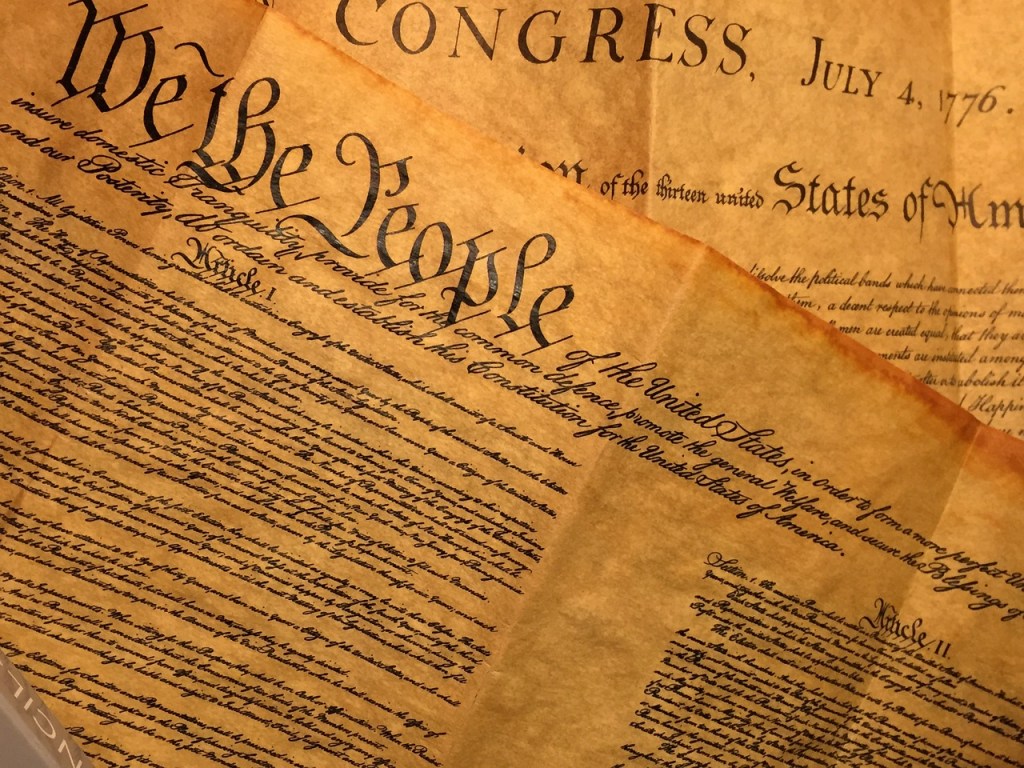
To me, the risks of this immunity far outweigh the benefit. The framers of the Constitution built in a separation of powers, and established a system of checks and balances designed to guard against tyranny. In the Declaration of Independence, Thomas Jefferson discusses the “long train of abuses and usurpations” by the King of Great Britain, “having in direct object the establishment of an absolute Tyranny over these States.” He declared it our duty to “throw off such Government, and to provide new Guards for their future security.” Given that they fought the War of Independence for this reason and crafted a Constitutional Government of three branches designed to prevent despotism, it seems strange to assume they would want the leader of the United States to have criminal immunity so that they are not “chilled from taking the ‘bold and unhesitating action’ required of an independent Executive.”
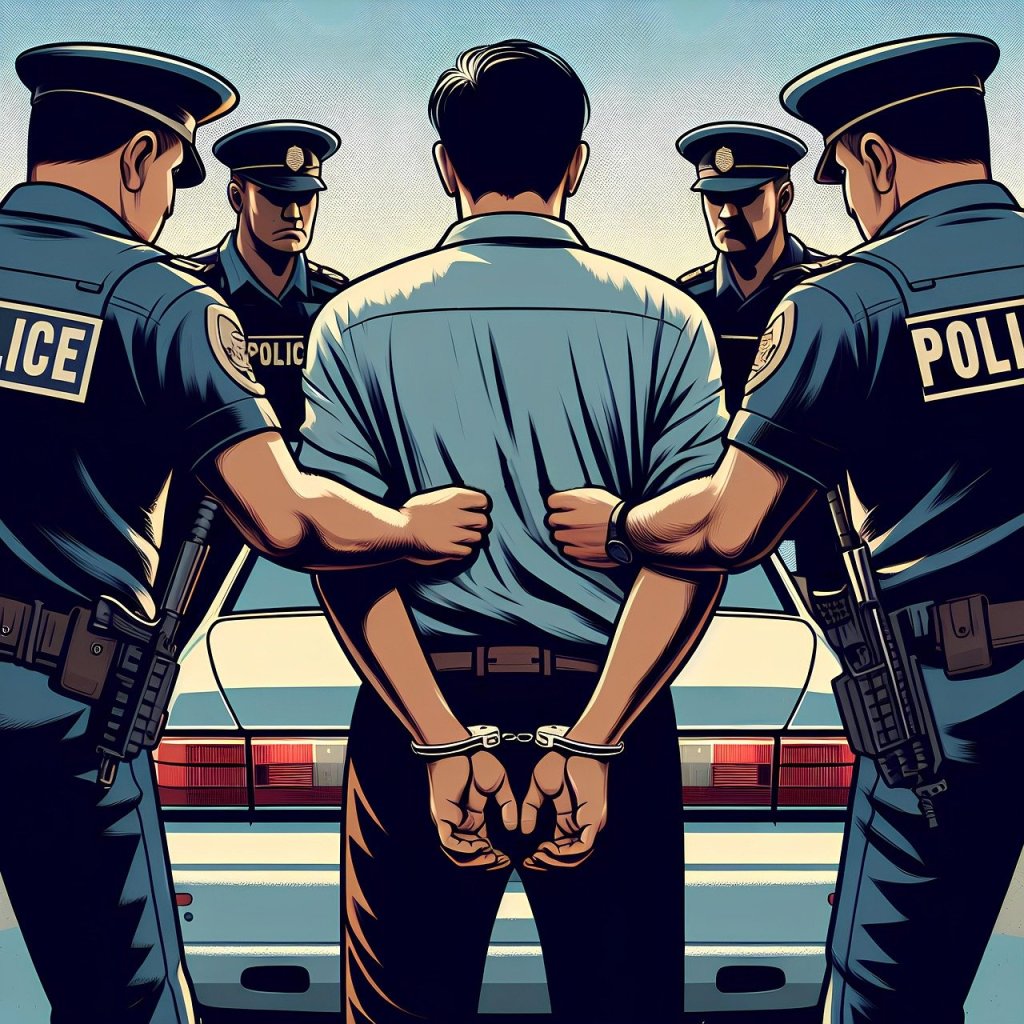
It’s never seemed that Presidents were slow to take action due to fear of criminal prosecution. If they are operating in a gray area where their actions may be illegal, going a little slower to avoid breaking laws is likely a good thing. I hope the Supreme Court majority is right when they contend that the dissent’s “tone of chilling doom” is unfounded. I hope that we never elect a President that has bad intentions and uses the power of the office to persecute individuals or groups of people. But given the history of the world, and even current leaders of nations throughout the world, the odds don’t seem like we can count on that. The founders built guards into the system to limit the power of the Presidency for this reason, and this decision eliminates the power of criminal law as a tool against a potential tyranny.
Further resources:
- Supreme Court ruling: Trump v. United States
- History Channel – US Government System of Checks & Balances
- US Declaration of Independence transcript
Image Credits:


 We Can Be Better
Leave a reply to szymczaktodd Cancel reply